Chimney & Fireplace Diagnostic & Repair Specialists

A fireplace is not an amenity.It is a high-temperature combustion system. A chimney is not a vent pipe. It is a precision-engineered draft structure designed to move combustion gases safely away from your home. When these systems fail, the risk is rarely cosmetic — it is structural or thermal.

Welcome to Top Chimney Fireplace

Why Do Chimneys in Humid Coastal Climates Fail Faster?

High humidity and airborne salt accelerate masonry saturation and metal corrosion.

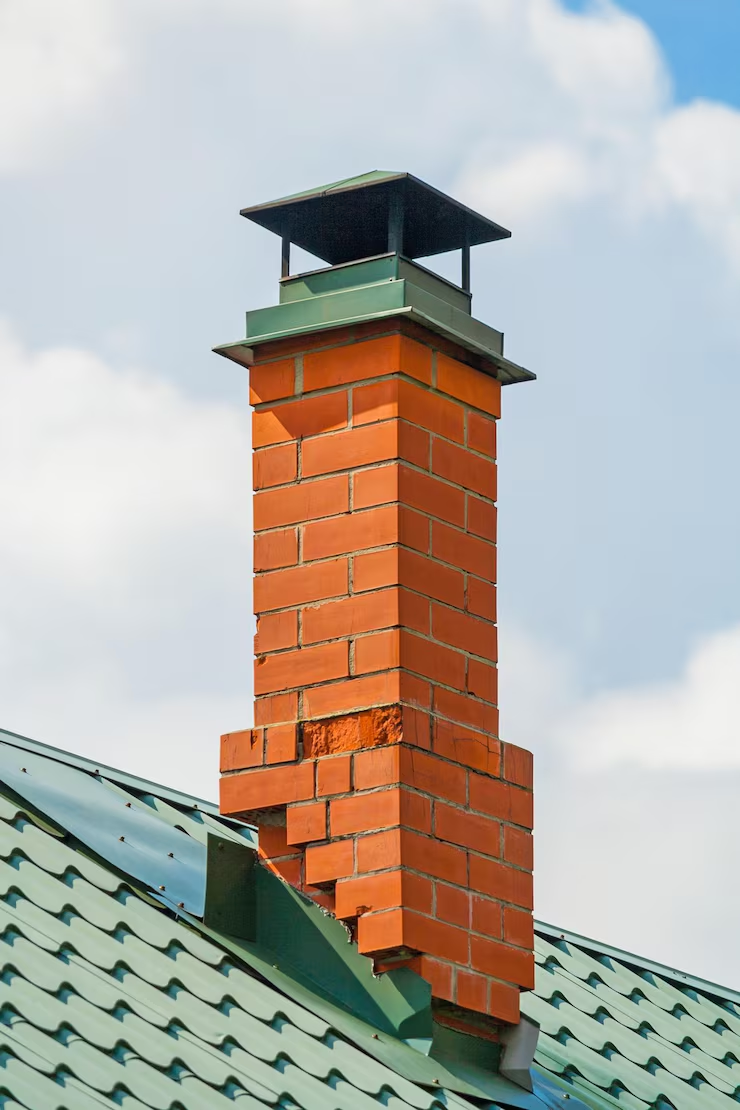
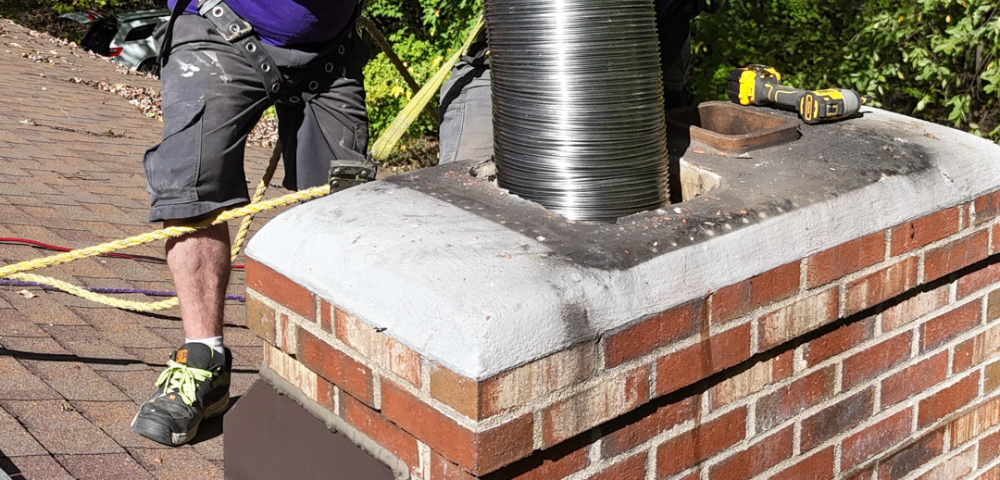
Moisture penetrates mortar joints, crown cracks, and flashing seams. Over time, this leads to:

  •  Spalling brick
  •  Flue liner shifting
  •  Chase cover corrosion
  • Termination cap failure
  •  Internal structural separation
35+

Won Award

Top Chimney Fireplace

Why Do Chimneys in Humid Coastal Climates Fail Faster?

High humidity and airborne salt accelerate masonry saturation and metal corrosion.

Moisture penetrates mortar joints, crown cracks, and flashing seams. Over time, this leads to:

  •  Spalling brick
  •  Flue liner shifting
  •  Chase cover corrosion
  • Termination cap failure
  •  Internal structural separation
Customer Satisfaction
0 %
Expert Instructors
0 +
Positive Review
1 0 +
Company Branch
0 +

Top Chimney Fireplace

Can a Wood-Burning Fireplace Be Converted to Gas Safely?

We diagnose why the moisture entered the structure in the first place.

What Is the 2026 Coastal Safety Standard?

Thermal systems in humid coastal climates require stricter moisture management and corrosion control. We apply a “Coastal Safety Standard” approach:

Top Chimney Fireplace

High-wind uplift and constant humidity stress chimney systems differently than inland climates.

Most competitors talk about cleaning.
We evaluate environmental stress on the system.

Years of Experience
0 +

Top Chimney Fireplace

Why Is Flue Liner Integrity Non-Negotiable?

A compromised liner allows excessive heat transfer into framing, increasing the risk of pyrolysis — the chemical process where repeated heating lowers the ignition temperature of nearby wood.

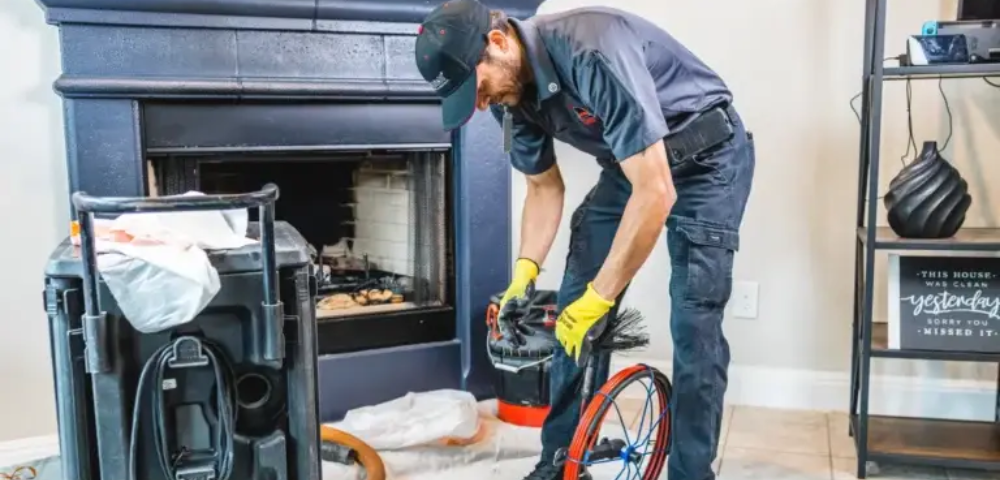
We inspect liners using internal camera systems to verify:

  •  Tile separation
  • Cracks
  •  Corrosion
  • Creosote Stage 1, 2, or 3 buildup

Liner integrity directly impacts draft stability and structural fire safety.

Top Chimney Fireplace

Can a Wood-Burning Fireplace Be Converted to Gas Safely?

Yes — when the structure is verified first.

We evaluate:

  • Chimney condition
  • Firebox integrity
  • Draft stability
  • Fuel availability

Then we install:

  • Vented gas log sets
  • Gas inserts with full liner systems
  • Dedicated gas lines
  • Propane systems when natural gas is unavailable

A gas installation over a structurally compromised chimney is a liability — not a solution.

We do not perform surface-level conversions.

Top Chimney Fireplace

Why Does Smoke Enter the Home Instead of Drafting Upward?

Smoke backflow is typically caused by:

  •  Negative air pressure
  • Improper chimney height
  • Flue blockage
  • Smoke chamber gaps
  • Draft instability

We measure draft behavior and inspect smoke chamber geometry — an area many homeowners never see but where drafting failures often originate.

Smoke entering the room is a venting failure, not a minor inconvenience.

Can a Wood-Burning Fireplace Be Converted to Gas Safely?

Gas Log Set
* Decorative flame
* Uses existing chimney
* Lower heating efficiency

Gas Insert
* Sealed combustion system
* Requires properly sized liner
* Higher efficiency and controlled heat output

Insert installation requires precise liner sizing and termination to prevent condensation, draft instability, and combustion inefficiency.

Humidity accelerates corrosion in:

* Thermocouples
* Thermopiles
* Pilot assemblies
* Burner ports

We inspect ignition stability and verify combustion behavior before replacing components. Gas systems are mechanical systems — not decorative appliances.

The Anti-Sales Standard. We do not perform “quick patches.” A surface-level fix on a thermal system is a liability, not a repair. Structural systems require structural correction. Our Technical Audit Process Identify chimney and fireplace system type Perform structural and liner inspection Evaluate draft pressure and combustion behavior Diagnose environmental stress factors Recommend repair, rebuild, or conversion Complete work to manufacturer and NFPA standards Verify safety performance. We repair the cause — not the symptom.

Why Homeowners Choose a Diagnostic Approach

Because cleaning alone does not prevent failure. Because draft physics matters. Because liner integrity matters. Because moisture migration matters. Because combustion safety matters. We approach chimneys and fireplaces as venting systems under environmental stress — not decorative features.

Service Areas

We serve homeowners all overt Tampa Bay region and Suncoast region throughout:

Insight

Latest News & Articles

Trusted chimney & fireplace wisdom for Central Florida — from safety inspections to expert design.

Our Gallery

We don’t play it safe. We play where the fun is

We believe in bold adventures and unforgettable moments. Whether it’s exploring the unknown or embracing the thrill of the moment, we’re all about living life to the fullest.

Top Chimney Fireplace

What Are NFPA 211 and Level 2 Chimney Inspections?

NFPA 211 is the national standard governing chimney, fireplace, and venting system safety.

A Level 2 inspection — commonly required during property transfers or after system modification — includes internal camera evaluation of the flue liner and full structural assessment.

We follow NFPA 211 guidelines and perform Level 2-style inspections when structural or combustion concerns are present.

Inspection is not a quick glance — it is a structural evaluation.

Frequently Asked Questions

Schedule a Technical Evaluation

If your chimney leaks, your fireplace drafts poorly, your gas system fails to ignite, or you’re considering conversion, schedule a full evaluation.